

Discover all you need to know about Retrieval Augmented Generation (RAG) and how it enhances LLM models with data from external sources. If you are a technical user we will explain you the meaning of RAG AI in detail.
Retrieval Augmented Generation (RAG) is transforming how businesses use AI. By integrating the power of Large Language Models and data from external sources, RAG delivers more accurate and relevant results.
In this blog, we’ll explore everything you need to know about RAG AI, how it works, its benefits, and how you can use it to drive exceptional results in your business. Are you ready?
Now, let’s start by understanding what RAG is all about.
Table of Contents
What Is RAG AI?
RAG is the acronym for Retrieval Augmented Generation. It is an approach that helps LLMs provide accurate and relevant information by retrieving information first from external sources before generating a response from their trained data.
In other words, RAG AI enhances the capability of LLMs by integrating them with available data from external sources on the Internet.
A normal AI model relies only on the data it was trained on to provide information and generate results, this can be limiting, especially for businesses because sometimes, these AI models hallucinate or give outdated information.
But RAG powered models searches the Internet first, pulls relevant information or document from databases, websites, PDFs, or internal files, and then uses the retrieved information to generate its response. This enhances accuracy of results because all information are sourced from real data available on the Internet.
How Does RAG AI Work?
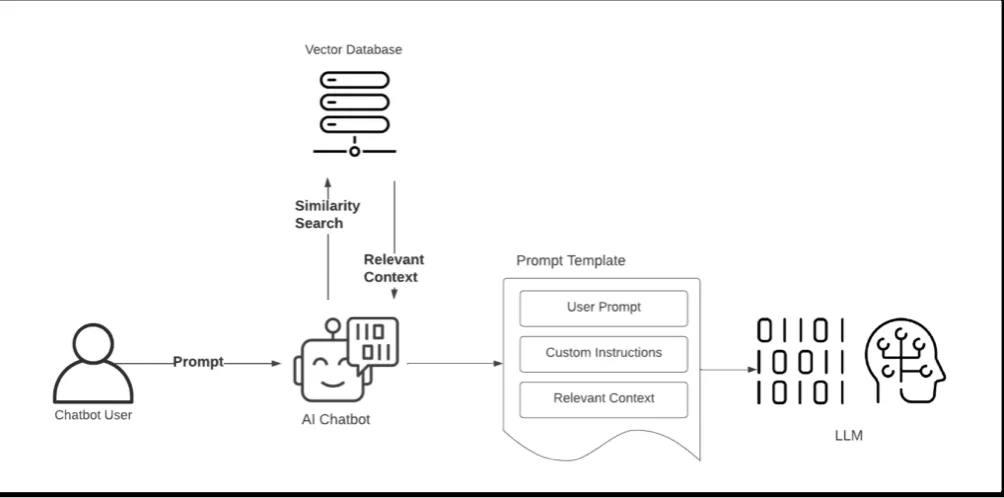
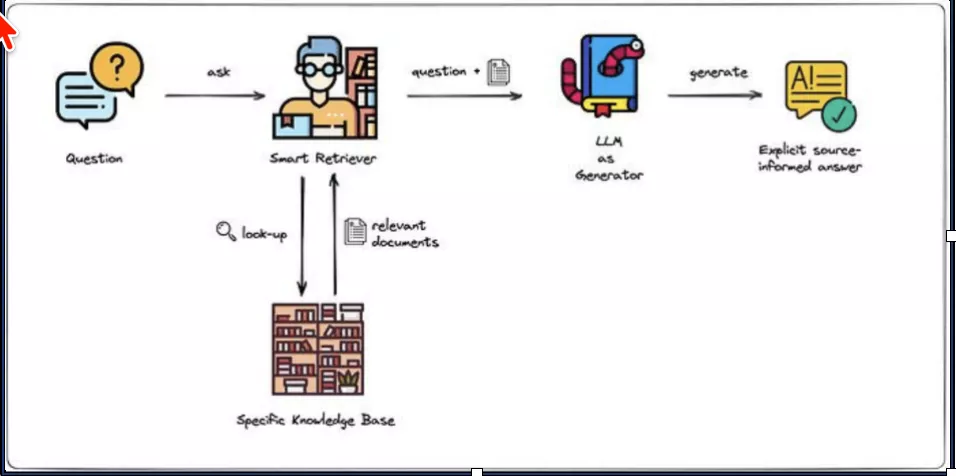
At its core, RAG works by integrating information retrieval with text-based generation. Instead of asking an LLM to rely only on the data it was trained with, RAG AI allows it to first search for relevant information from trusted external sources, then use that information to produce a more accurate response.
Read More: Nano Banana vs ChatGPT: Which AI Tool Works Best In 2026?
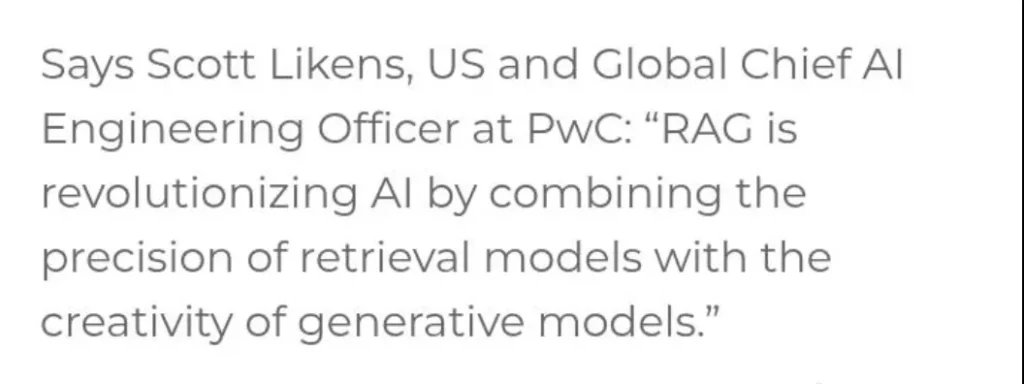
This is what Scott Likens has to say about RAG AI:
Let us see a simple, non-technical process of how it works.
Firstly, a user asks a question or makes a request. This could be anything like “What does our company policy say about remote work?” The request is sent to the AI system just like it would be with a regular language model.
Next, Instead of answering immediately, the system searches through connected data sources to find relevant information. These sources may include internal company documents, knowledge bases, PDFs, databases, websites, or other approved external resources. This is where the retrieval part of RAG fetches only the most useful and relevant pieces of information related to the user’s query.
Immediately the relevant information is retrieved, it is then passed to the language model as context. This step is what makes RAG different from traditional AI systems. The model is no longer guessing or relying on outdated training data. It now has real, up-to-date content to work with, drawn directly from reliable sources on the Internet.
Finally, the generation happens. The language model uses both the user’s question and the retrieved information to generate a clear and accurate response. Because the answer is grounded in real data, the result is more reliable, more relevant, and far less likely to contain errors or hallucinations.
For businesses, this means AI systems can provide better answers, adapt to new information quickly, and deliver insights that are directly aligned with their business data and operations. Instead of outdated knowledge, RAG-powered systems evolve alongside your business, making them far more useful in real life settings.
Read More: 7 Best ChatGPT Alternatives in 2026 (Free & Paid Options Available)
Why RAG Matters for Businesses?: Key Benefits
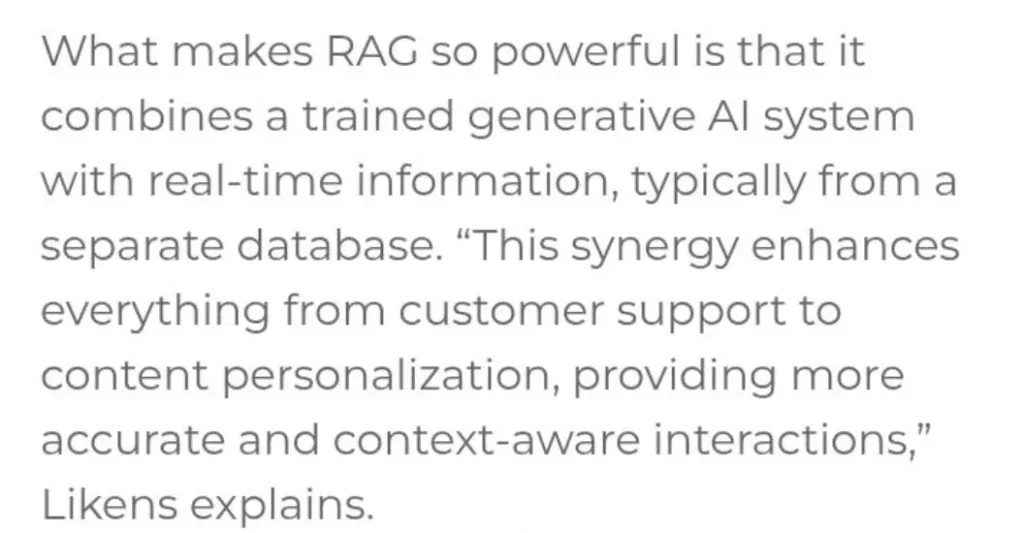
For businesses, the value of RAG AI goes beyond smarter AI responses. It directly solves many of the problems that make traditional AI tools unreliable or difficult to trust in real business environments. Let us explore the benefits below.
1. Improved Accuracy And Reliability
Traditional language models rely heavily on historical training data, which can quickly become outdated. RAG-powered systems, on the other hand, pull information from real sources on the Internet which are subject to regular updates.
This means responses are based on current data, reducing misinformation and making AI-generated outputs more dependable for business decisions.
Read More: 7 Best MooC Courses With Certificates 2026: Start Learning Today!
2. Reduced Hallucinations
AI hallucinations can happen when an LLM model confidently generates information that sounds correct but isn’t. For businesses, this can be risky, especially in areas like customer support, compliance, or internal documentation.
RAG AI minimizes this risk by ensuring the AI gets insights from real documents and verified data before generating an answer.
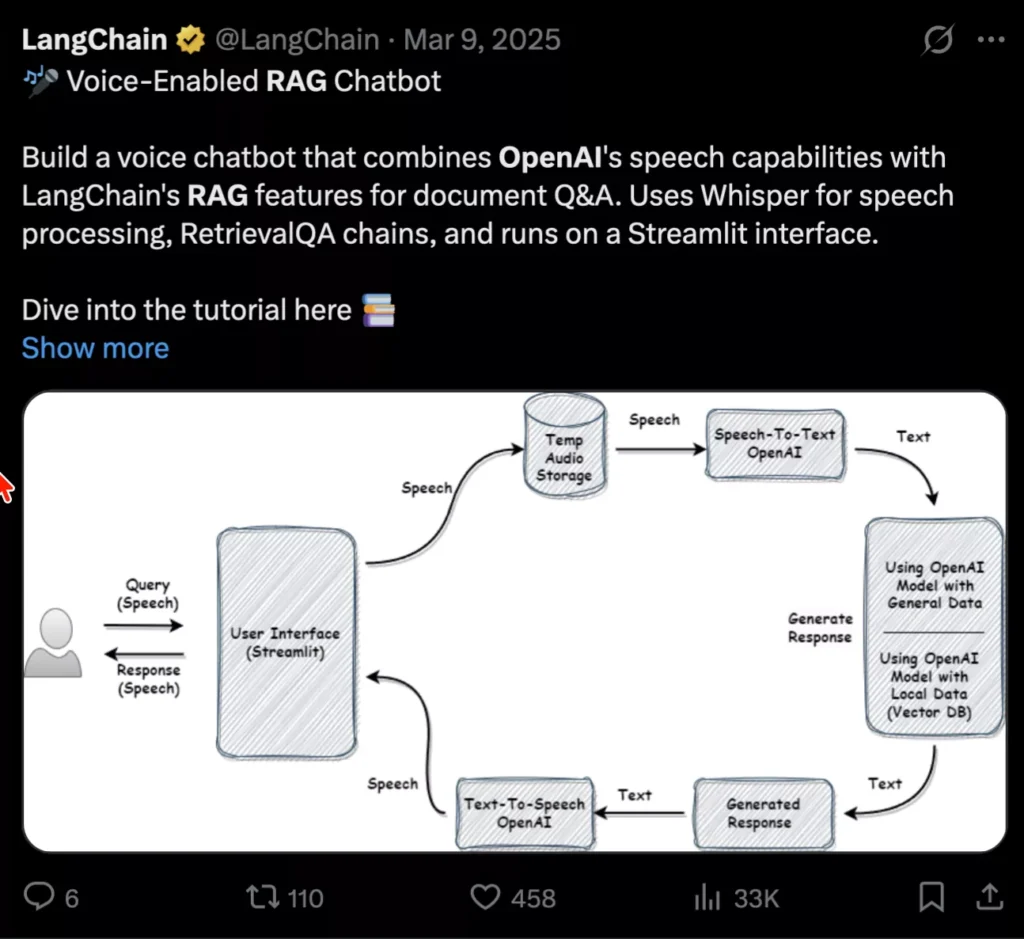
3. Internal Business Knowledge
Many organizations sit on valuable information stored in documents, PDFs, emails, or internal databases that employees struggle to access quickly.
But with RAG, AI systems can retrieve and use this internal data to answer questions accurately. This makes company knowledge more accessible, searchable, and actionable across teams.
4. Informed Decision Making
Because RAG systems provide context-aware and data-backed responses, teams spend less time verifying information or searching through multiple documents.
Leaders and employees get clearer answers faster, helping them move forward on any task with confidence.
5. Scalability
With RAG AI, businesses can update or add new documents to their data sources, and the AI can immediately start using that information. This makes RAG a more flexible and cost-effective solution as organizations grow.
6. Trustworthiness
RAG improves trust and adoption of AI across the organization. When employees see that AI tools consistently provide accurate, relevant, and data-backed responses, they are more likely to rely on them. This trust is essential for successful AI adoption, especially in business settings where accuracy and accountability matter.
Conclusion
With RAG AI in place, teams work faster and smarter with confidence. Customer support becomes more efficient, internal knowledge is easier to access, and decision-makers spend less time searching for information or validating AI outputs.
As business data changes, RAG systems adapt without the need for constant retraining, making them both flexible and cost-effective.
Ultimately, RAG helps businesses move beyond experimental AI use to build systems that improve productivity, support smarter decisions, and deliver consistent results across daily operations.
FAQs About RAG AI
Q: What is RAG AI?
Answer: RAG (Retrieval-Augmented Generation) is a technical approach where an AI model first searches for relevant data from trusted external sources before generating a response, making answers more accurate and reliable.
Q: Why should businesses use RAG?
Ans: RAG helps businesses get accurate, up-to-date information, reduces errors, and improves productivity by turning scattered data into actionable insights.
Q: Where can RAG AI be applied in business?
Ans: RAG can be used in customer support, internal knowledge management, sales and marketing, and decision-making to provide accurate answers and summaries quickly.Discover all you need to know about Retrieval Augmented Generation (RAG) and how it enhances LLM models with data from external sources.