

The best Anthropic courses for 2026 are here: Claude 101, AI Fluency for Students, and Building with Claude API. This complete guide shows you what each Anthropic academy course offers and how to start learning Constitutional AI, the secure native AI approach focused on safety and security.
Anthropic just launched three Anthropic featured courses designed to teach you how to work with Claude AI the right way. These courses are built specifically around Anthropic’s Constitutional AI approach, which prioritizes safety, security, and responsible AI use from the ground up.
If you’re a student exploring AI careers, a developer wanting to build with Claude API, or a professional looking to understand AI fluency in your field, Anthropic academy has a course designed for your level. Each program focuses on practical skills that’ll be useful to your career.
In this guide, we’ll break down all three Anthropic featured courses: what they cover, who they’re designed for, what you’ll learn, how to enroll, and how much they cost
If you’re serious about learning AI the secure way, understanding these Anthropic academy programs is your best starting point. Are you ready?
Master Artificial Intelligence with Pregrad
Pregrad got you covered if you are someone looking to build your career in the field of Generative AI and intelligence. Our “Artificial Intelligence/Machine Learning” Course will help you unlock the power of AI, master building intelligent systems, machine learning and more.
 |
There will be regular live sessions conducted by our mentors with hands-on practical sessions. If you are looking to transition to the field of AI and ML from another domain then this course is all you need to kickstart a new career path.
What Is Anthropic Academy?
Anthropic Academy is the official learning platform created by Anthropic to teach people how to work with Claude AI responsibly and effectively. It is designed to provide structured education around Anthropic’s Constitutional AI approach, with a strong focus on safety, security, and real-world application.
The academy offers Anthropic Featured Courses tailored to different experience levels, from beginners exploring AI concepts to developers building applications with the Claude API.
Anthropic Academy also emphasizes how AI systems should behave, how risks can be reduced, and how models can be used in both practical, and ethical ways.
These Anthropic Featured Courses are closely aligned with how Claude is developed and deployed. This ensures that you are not just learning how to use AI tools, but also understanding the principles that guide their design.
Anthropic Academy positions AI education around trust and responsibility, reflecting how AI is increasingly expected to function in professional and production environments.
What Makes Anthropic Courses Different from Other AI Training?
Most AI courses focus on speed, capabilities, and output. They teach how to prompt models, deploy tools, or integrate APIs as quickly as possible, but anthropic’s courses take a different approach.
Anthropic Academy is built around Constitutional AI, which treats safety, alignment, and reliability as core design principles rather than afterthoughts. This means that, if you’re learning any anthropic course, you’ll be taught not just how to use AI systems, but how those systems are intended to behave and why those constraints matter.
Another key difference is emphasis on real-world use. Anthropic courses focus on practical scenarios where AI systems operate in sensitive or high-impact environments. Learners are exposed to the limitations of AI models, potential risks, and the trade-offs involved in deploying them responsibly.
The curriculum is also closely aligned with Claude itself. The courses reflect how Anthropic builds and updates its models. This gives you insights into current best practices instead of outdated or purely theoretical instruction.
Finally, Anthropic featured courses prioritize long-term skill development over short-term tactics. Instead of focusing on quick wins, the training prepares learners to work with AI systems that must be trusted, governed, and scaled over time.
This focus on secure, native AI development is what sets Anthropic Academy apart from most AI training programs available today.
Read More: Is AI Traffic Really Good For Conversions: 2026 Latest Update on Google SERP!
Understanding Constitutional AI: The Foundation of Anthropic Courses

Constitutional AI is the core framework behind how Anthropic designs, trains, and deploys its AI systems. Rather than relying solely on post-training rules or moderation layers, this approach embeds safety and alignment directly into how models learn and behave.
At its core, Constitutional AI uses a defined set of principles to guide model responses. These principles act as a reference for acceptable behavior, helping the AI make decisions that are more consistent, transparent, and aligned with human values.
For learners, this changes how AI is understood and applied. Instead of treating safety as a separate concern, Anthropic featured courses teach it as a foundational element of AI development.
Students learn why certain constraints exist, how they affect model outputs, and how responsible design choices influence real-world performance.
Constitutional AI also reflects the direction AI adoption is taking across industries. As AI systems move into regulated, enterprise, and public-facing environments, trust and reliability become critical.
Anthropic’s courses use this framework to prepare learners like you for these realities, not just the experimental or low-risk use cases.
Read More: 7 Best ChatGPT Alternatives in 2026 (Free & Paid Options Available)
Overview of the Top 3 Anthropic Featured Courses for 2026
Anthropic academy offers different courses, each designed for different skill levels and career goals. But these three stand out the most. Let us understand what each one of the Anthropic Featured Courses covers and who should take it.
1) Claude 101: Introduction to Claude AI
This is the starting point for anyone new to Claude. Claude 101 teaches you the fundamentals of working with Claude AI, understanding how it works, and using it effectively for real tasks. You don’t need any prior AI experience to start this course.
This course covers basic prompt engineering, understanding Claude’s capabilities and limitations, practical applications across different fields, and the Constitutional AI principles that make Claude different from other AI models. It’s designed for complete beginners who want to understand AI without getting overwhelmed by technical complexities.
The duration of this course is approximately 4-6 hours of self-paced learning. The course is free and accessible to anyone interested in learning Claude AI basics.
Read More: Is ChatGPT No Longer Generating AI Images?
2) AI Fluency for Students
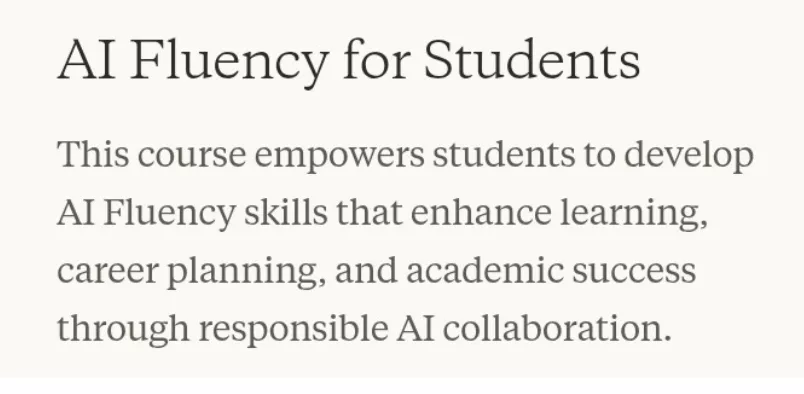
This Anthropic course targets students who want to build AI literacy as part of their education. It goes beyond just using AI tools and focuses on understanding how AI works, its implications, and how to use it responsibly in academic and professional settings.
The curriculum includes understanding AI systems and their capabilities, ethical considerations and AI safety principles, practical applications in research and learning, critical thinking about AI outputs and limitations, and how Constitutional AI addresses common AI risks.
This course bridges the gap between casual AI use and deep technical knowledge. It is specifically designed for high school and college students but also works well for anyone building foundational AI knowledge. The course takes about 8-10 hours to complete and includes interactive exercises and real-world examples.
3) Building with Claude API
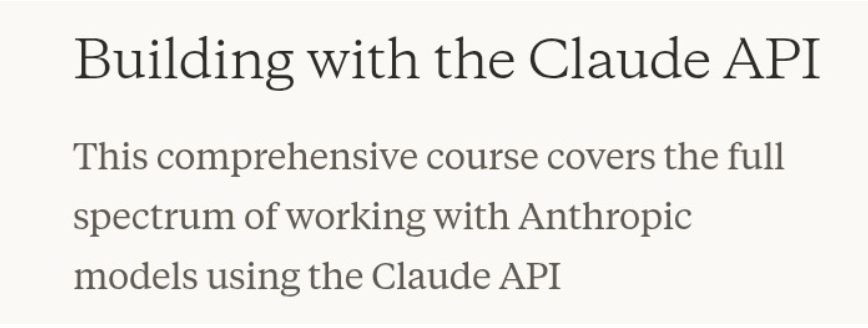
This is the technical course for developers and technical professionals. Building with Claude API teaches you how to integrate Claude into applications, automate workflows, and build AI-powered solutions using Anthropic’s API.
This course covers API fundamentals and authentication, prompt engineering for production use, building conversational AI applications, managing context and memory in AI interactions, implementing safety controls and content filtering, and best practices for scaling Claude-powered applications.
You’ll work with actual code and build functional projects. Prerequisites include basic programming knowledge (Python or JavaScript recommended) and understanding of API concepts.
The course runs for 12-15 hours with hands-on coding projects. This Anthropic course is ideal for developers, product managers working with technical teams, and anyone building AI-integrated products.
Read more: Temple Device by Deepinder Goyal: Is Gravity & Aging Really Related?
How Do These Courses Connect?
The three Anthropic courses form a learning pathway. Claude 101 gives you foundational understanding. AI Fluency for Students builds conceptual depth and responsible use practices. Building with Claude API provides technical implementation skills.
You can take them in sequence or choose the one that matches your current level. Students often start with Claude 101, then move to AI Fluency. Developers might skip straight to Building with Claude API if they already understand AI basics.
All three courses emphasize Constitutional AI principles, which is Anthropic’s approach to building AI systems that are helpful, harmless, and honest. This security-first approach runs through every lesson, making these courses different from generic AI training.
Can You Access These Anthropic Featured Courses For Free?

All Anthropic academy courses are available through Anthropic’s learning platform. All you need to do is create a free account, choose your course, and start learning immediately. The platform includes video lessons, interactive exercises, quizzes, and hands-on projects depending on the course level.
Claude 101 is completely free. AI Fluency for Students is also free for verified students. Building with Claude API requires an Anthropic account and may involve API usage costs for the practical projects, though Anthropic provides credits for learning purposes.
Progress saves automatically. This means you can learn at your own pace, pause and return anytime, and access course materials even after completion. Certificates are available upon finishing each course, which you can add to your LinkedIn profile or resume.
Read More: 7 Best MooC Courses With Certificates 2026: Start Learning Today!
What Makes These Courses Stand Out?
These 3 best Anthropic Featured courses are comprehensive training on understanding Constitutional AI, the principles behind safe AI development, and how to apply these concepts practically. Anthropic courses teach you not just what to do, but why it matters and how to do it responsibly.
The focus on AI safety and security features throughout each course means you’re learning industry best practices from the start, not just picking them up later or learning bad habits you need to unlearn.
Read More: Nano Banana vs ChatGPT: Which AI Tool Works Best In 2026?
How To Choose The Right Anthropic Course?
Choosing one of the Anthropic Featured Courses depends on your current experience level and what you want to do with AI.
- If you are new to AI or Claude, Claude 101 is the best starting point for you. It provides clear introductions on how Claude works, what it can and cannot do, and how Constitutional AI shapes its behavior. This course helps you build a strong foundation without requiring technical knowledge.
- If you are a student or someone building general AI literacy, AI Fluency for Students is the best fit for you. It focuses on understanding AI systems, evaluating outputs critically, and using AI responsibly in academic or early professional settings.
- If you are a developer or technical professional looking to build real applications, Building with Claude API is the right choice. This course teaches how to integrate Claude into products, manage AI behavior in production, and apply safety principles at the implementation level.
You can take the Anthropic Featured Courses sequentially or select the one that matches your current needs. Regardless of where you start, all Anthropic courses reinforce the same security-first, Constitutional AI principles, ensuring a consistent and responsible learning experience.
|
Upskill with Pregrad🚀
Pregrad is a career accelerator and upskilling platform designed to help students gain real-world skills and launch their careers before graduation.
At pregrad, you’ll learn industry‑aligned, mentor‑led programs in fields like AI/ML, data science, digital marketing, cybersecurity and more.
Learners work on hands‑on projects, attend live sessions with industry professionals, and earn recognised credentials that boost credibility with recruiters.
Pregrad also connects you with a broader career network and opportunities to accelerate your job search and career prospects.
Join pregrad today and start your career before you graduate!
FAQS About Anthropic Featured Courses
Q: Do I need a technical background to take Anthropic featured courses?
Ans: No. These Anthropic featured courses are beginner-friendly.
Q: Are Anthropic featured courses focused only on Claude AI?
Ans: Claude is central, but the courses go beyond that. They focus on safe AI design, ethical deployment, and how modern AI systems should behave in real-world environments.
Q: Are Anthropic courses worth taking in 2026?
Answer: Yes. As AI regulation, safety, and trust become more important, Anthropic’s focus on responsible and secure AI makes these courses more relevant for the future.